
Why Software Audit Notices Must Be Taken Seriously
Software audit notices are often treated as routine IT requests. Something to be scheduled, delegated, and dealt with later. The VMware vs. Allstate lawsuit shows why that approach is risky — and increasingly outdated. https://www.insurancebusinessmag.com/us/news/legal-insights/vmware-sues-allstate-over-alleged-obstruction-of-software-licensing-audit-560605.aspx
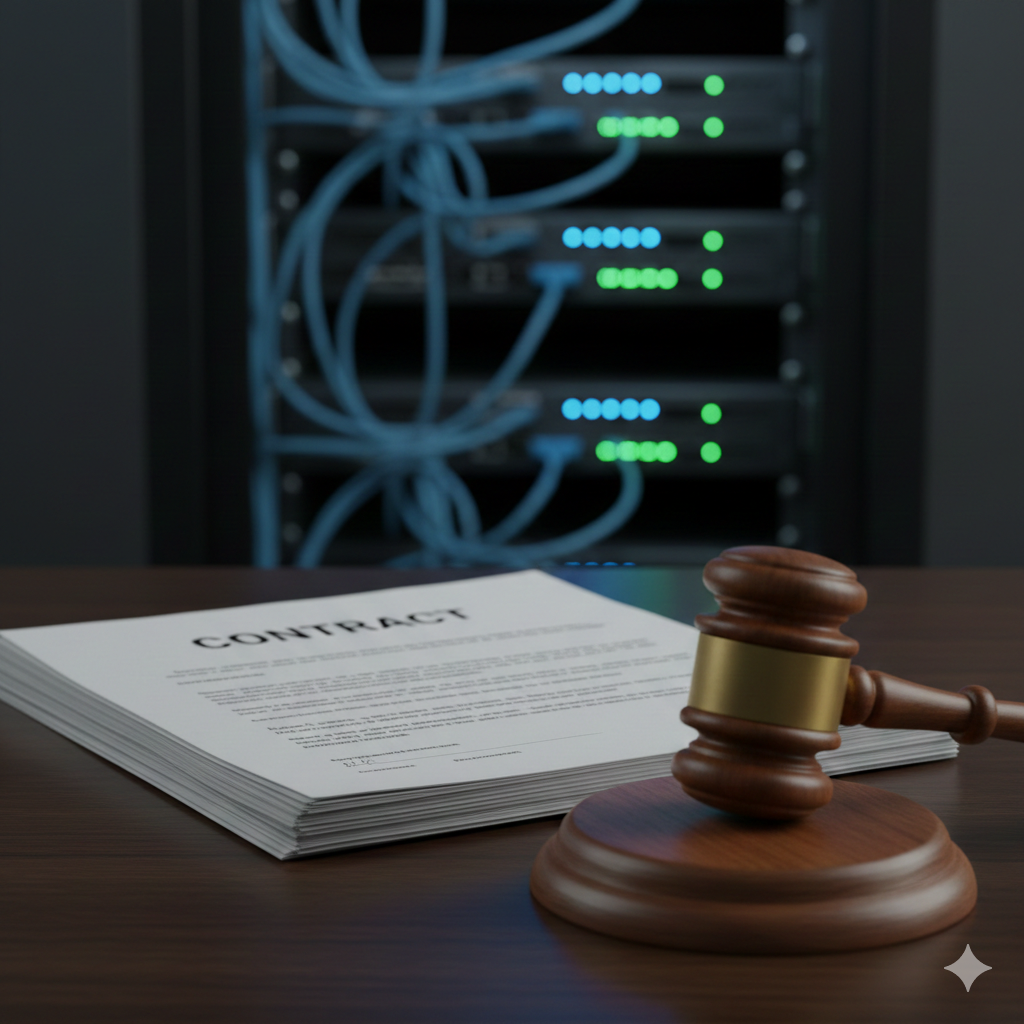
This case is a clear reminder that software audits are contractual and legal events, not just operational checks. When mishandled, they can escalate quickly into litigation with real financial and reputational consequences.
According to VMware, Allstate delayed the audit process, did not provide complete data, and ultimately claimed the issue was resolved after uninstalling VMware software. VMware’s position is direct: uninstalling software does not eliminate audit or reporting obligations. Audit rights are tied to the license agreement, not just to active installations.
What makes this case important is not that it is unusual — but that it reflects a pattern seen repeatedly across enterprise software audits.
What the VMware vs. Allstate Case Really Tells Us
At the heart of this dispute is a common assumption within organizations: once software is decommissioned, compliance risk disappears. In reality, most enterprise license agreements explicitly allow vendors to audit historical usage — often covering several years of deployment and configuration history.
When audit timelines slip, data is incomplete, or responses are informal, vendors may interpret this as obstruction rather than confusion. That is usually the point where an audit shifts from a commercial discussion into legal enforcement.
Three Key Takeaways from Software Audit Disputes
- Audit obligations survive software removal
Uninstalling software does not nullify audit clauses. Vendors can still validate historical usage against contractual entitlements. - Poor audit handling accelerates escalation
Delays, partial disclosures, and unstructured responses often push audits out of IT or procurement and into legal teams. - Defensible records are the only real protection
Accurate usage data, documented software exits, and a structured audit response prevent audits from spiraling into disputes.
Similar Software Audit Cases and Industry Patterns
VMware vs. Allstate is not an isolated incident. Other major software vendors have followed similar paths:
- Oracle has pursued multiple high-profile disputes where customers challenged audit scope or delayed data submission, leading to prolonged legal and commercial standoffs.
- SAP audits have escalated when indirect access or historical usage could not be clearly substantiated, resulting in large unplanned settlements.
- IBM has enforced audit rights aggressively where customers lacked reliable deployment records or relied on assumptions instead of verifiable data.
Across these cases, the common issue is rarely intentional misuse. It is weak governance around software asset management, audit readiness, and ownership.
Why Software Audit Notices Must Be Viewed Seriously
Organizations underestimate audit notices for predictable reasons:
- Audits are treated as operational IT activities instead of contractual events
- Ownership is fragmented across IT, procurement, finance, and legal teams
- Historical usage data is incomplete or difficult to retrieve
- There is over-reliance on vendor tools or informal internal assessments
In reality, an audit notice is a legal trigger. It activates contractual rights that vendors are increasingly willing to enforce — particularly in today’s environment of revenue pressure, mergers, and license model changes.
How to Take the Pressure Out of an Audit Notice
An audit notice does not have to create panic. Most escalations happen not because of non-compliance, but because of poor audit handling.
A few disciplined steps make a material difference:
- Treat every audit notice as a contractual and legal matter, not just an IT task
- Assign a single owner to control communication, data flow, and responses
- Work only with defensible, validated usage data — never assumptions or estimates
- Document software exits properly, including dates, configurations, and final usage positions
- Keep all communication structured, written, and aligned to contract language
Handled this way, most audits remain controlled — and many close without escalation.
Final Thought
The real question is no longer whether software audits will happen, but how prepared organizations are when they do.
Do you view software audits as a legal and financial risk that requires governance and discipline, or are they still treated as an IT exercise until they become urgent?
That distinction often determines whether an audit ends as a discussion — or as a lawsuit.

All Categories
Recent Posts
Why Software Audit Notices Must Be Taken Seriously